

Why 'Just Relax' Isn't Useful Advice
Stress is a normal part of human biology. The body's stress response — involving hormones like cortisol and adrenaline — evolved to help us handle acute threats. The problem is that modern life generates persistent, low-grade stressors: financial pressure, work demands, relationship friction, and constant information overload. These don't resolve the way a single threat does, leaving the stress response partially activated for days, weeks, or months at a time.
Understanding this distinction matters. Managing everyday stress isn't about eliminating it — that's neither possible nor desirable. It's about building approaches that keep stress at a level where it doesn't erode your health, relationships, or ability to function. For a closer look at how certain daily habits can quietly undermine that capacity, see patterns that chip away at mental resilience.
“It's not the load that breaks you down — it's the way you carry it. Building sustainable habits means distributing that load so no single moment becomes the breaking point.”
— American Psychological Association, Professional body representing psychology research and practice in the United States
Evidence-Informed Practices Worth Building Into Your Life
Research consistently points to several broad categories of behavior that help regulate the stress response over time. These aren't quick fixes — they work through cumulative effect. Regularity matters more than intensity.
Prioritize consistent, adequate sleep above most other stress interventions.
Sleep is when the brain processes emotional experiences and the body restores hormonal balance. Chronic sleep deprivation amplifies the stress response and reduces the effectiveness of every other coping strategy. The CDC recommends adults aim for seven or more hours per night.
Use physical movement as a regular stress regulation tool, not just an exercise goal.
Aerobic activity reduces circulating stress hormones and stimulates the release of endorphins. Even moderate movement, practiced consistently, has been shown to improve mood and reduce anxiety symptoms over time. The fitness and exercise hub offers practical starting points for building activity into daily life.
Develop a personal inventory of your early stress signals.
Stress compounds when it goes unrecognized until it reaches a tipping point. Learning to identify your personal early markers — muscle tension, irritability, poor concentration, disrupted appetite — allows you to respond before stress becomes overwhelming. Self-awareness is the foundation of effective coping.
Invest in social connection even when stress makes you want to withdraw.
Social support is one of the most robust protective factors in stress research. Isolation tends to amplify negative thinking and removes access to perspective, practical help, and emotional co-regulation. The impulse to pull back under stress is understandable but often counterproductive.
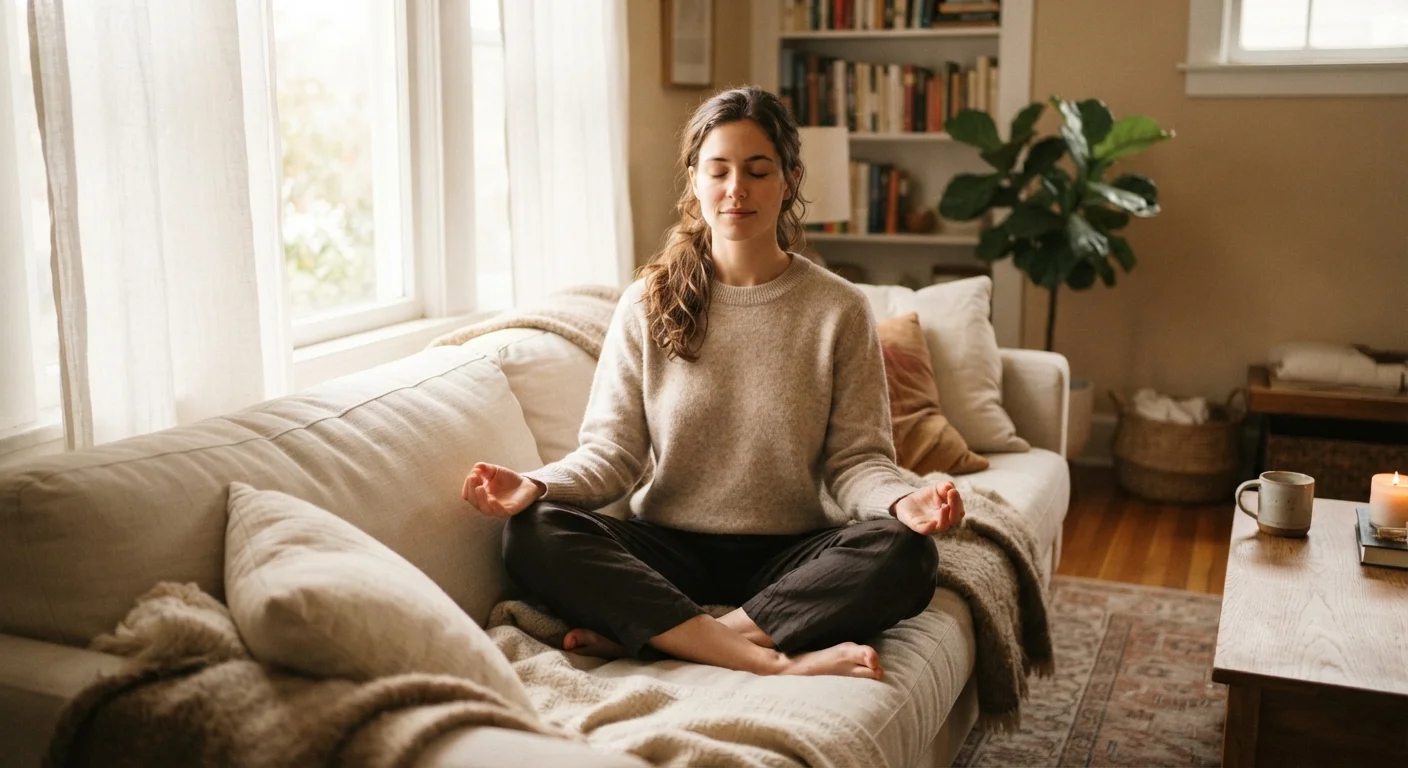
Practice brief, consistent mindfulness rather than lengthy formal sessions.
A substantial body of research supports mindfulness-based practices for stress reduction. However, the barrier to maintaining long formal practices is high. Shorter, more frequent moments of deliberate attention — focusing on breath, surroundings, or bodily sensations for two to five minutes — can be sustained more reliably and still produce measurable benefits.
If you're curious how these practices intersect with emotional regulation more broadly, understanding emotional regulation as a learnable skill offers useful context.
Starting Small: Actions You Can Take Today
Overhauling your lifestyle rarely sticks. The most durable changes tend to be modest ones added gradually to existing routines. The goal is to lower the activation energy required to do something helpful when you're already stressed.
For more ideas that don't require major lifestyle disruption, small, evidence-informed habits can make a meaningful difference day to day.
77%
Americans reporting physical stress symptoms
According to the American Psychological Association's Stress in America survey, a large majority of U.S. adults regularly experience physical symptoms they attribute to stress.
7+ hrs
Recommended nightly sleep for adults
The CDC recommends adults aged 18–60 get at least seven hours of sleep per night to support overall health, including stress regulation.
When Everyday Stress Becomes Something More
Stress management strategies are general health practices — they are not a substitute for professional care. If stress is interfering with sleep, work, relationships, or physical health on a persistent basis, that's a signal worth taking seriously. Warning signs that stress has crossed into burnout can help you recognize when something more than everyday coping strategies may be needed.
When to Seek Professional Support
There is no threshold of severity required to justify speaking with a mental health professional. Therapists, counselors, and psychologists can help with everyday stress just as effectively as with more serious conditions. If cost or access is a concern, community mental health centers, employer assistance programs (EAPs), and sliding-scale providers are widely available options worth exploring.
Similarly, stress and anxiety often overlap, but they aren't the same thing. If you're unsure whether what you're experiencing is routine stress or an anxiety condition, separating anxiety myths from research is worth reading. A qualified mental health professional is always the right resource for a personal assessment.
This article is for general informational purposes only and is not a substitute for professional medical or mental health advice. Always consult a qualified healthcare provider for guidance specific to your situation.
The content on this site is for informational purposes only and is not a substitute for professional advice. Always consult a qualified professional for guidance specific to your situation.