

What a Standard Inspection Covers
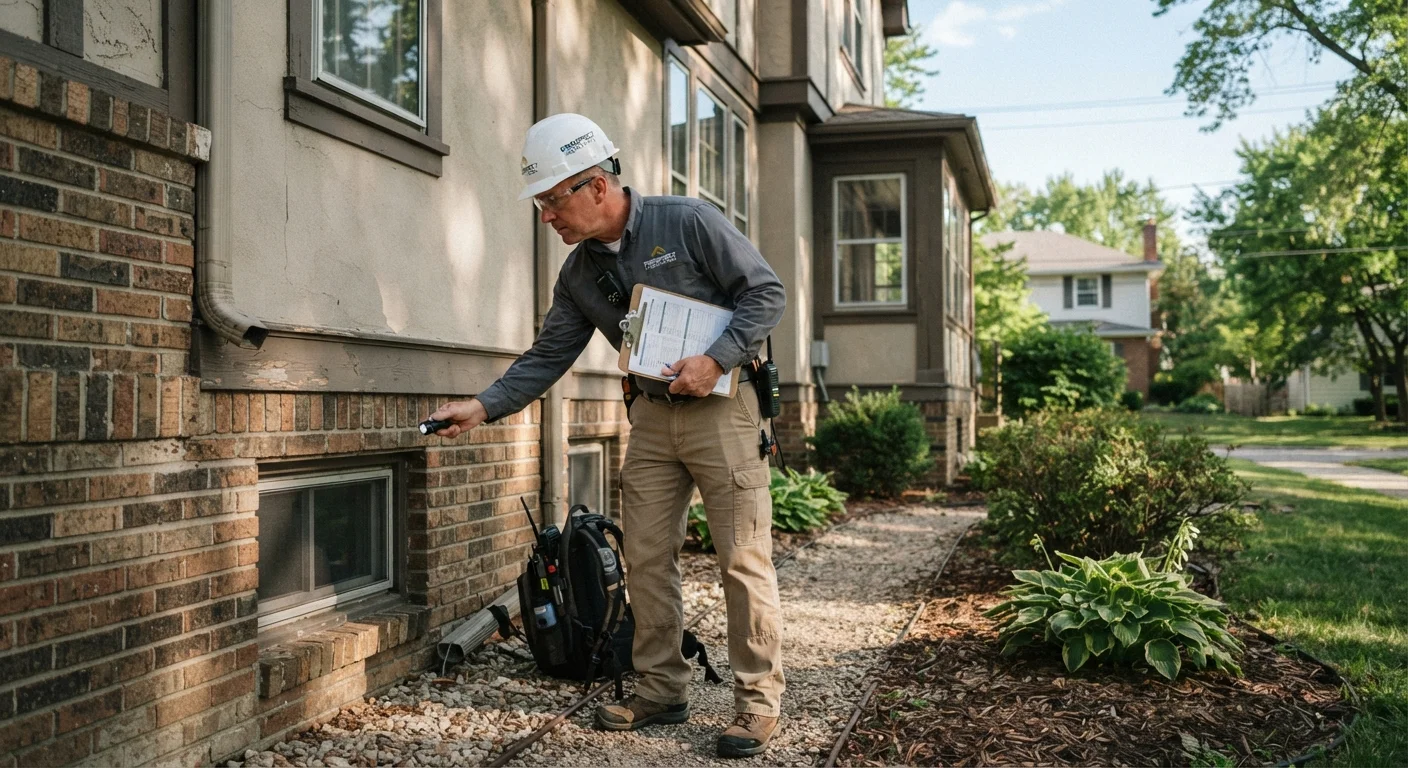
A licensed home inspector conducts a visual examination of the property's major systems and structural components. The inspection is non-invasive, meaning the inspector observes what is visible and accessible without cutting into walls, moving furniture, or operating equipment under potentially unsafe conditions.
Systems and areas typically included in a standard inspection:
- Roof: Condition of shingles, flashing, gutters, and visible decking
- Foundation and structure: Visible cracks, settling, or signs of movement
- Exterior: Siding, grading, drainage, driveways, and walkways
- Electrical system: Panel condition, visible wiring, outlets, and safety devices such as GFCI outlets
- Plumbing: Water pressure, visible pipes, fixtures, water heater, and drainage
- HVAC: Heating and cooling equipment, ductwork, and filters
- Interior: Walls, ceilings, floors, windows, and doors
- Attic and insulation: Visible insulation, ventilation, and signs of moisture or pests
- Basement or crawlspace: Structural elements, moisture indicators, and visible mechanical systems
The inspector documents findings — noting defects, items that need monitoring, and safety concerns — in a written report typically delivered within 24 to 48 hours. This report becomes a key reference point for negotiation. For context on how to use it at the bargaining table, see our guide on negotiating after a home inspection.
~86%
Homebuyers who get an inspection
According to the National Association of Realtors' Profile of Home Buyers and Sellers, the vast majority of buyers include a home inspection in their purchase process.
$300–$500+
Typical inspection cost range
Industry data from InterNACHI and ASHI indicates that most standard inspections in the US fall in this range, with variation by region, home size, and inspector credentials.
2–4 hours
Average inspection duration
A typical single-family home inspection takes two to four hours on-site, though larger or older homes may require more time.
What an Inspection Does Not Cover
Understanding the limits of a standard inspection is just as important as knowing its scope. Inspectors evaluate what they can see — they do not have X-ray vision, and they are not specialists in every discipline.
Common exclusions from a standard inspection:
- Radon: This odorless, radioactive gas requires a separate test using specialized equipment.
- Mold and air quality: Inspectors may flag visible moisture or staining but typically do not conduct mold testing or air sampling.
- Sewer and septic systems: A camera inspection of sewer lines is a separate service; septic systems generally require their own evaluation.
- Pest and termite damage: Wood-destroying organism (WDO) inspections are usually performed by licensed pest control professionals.
- Chimney interiors: Visible portions are checked, but a full chimney inspection requires a specialist with camera equipment.
- Swimming pools and hot tubs: Often excluded from the standard scope or inspected at an additional fee.
- Asbestos and lead paint: Presence of these materials in older homes requires dedicated testing.
- Underground oil tanks: Common in older northeastern properties; requires a separate scan or test.
Inspectors Observe — They Don't Certify
A home inspection is not a guarantee that a property is free of defects. Inspectors can only assess what is visible and accessible at the time of the visit. Hidden issues — behind finished walls, beneath flooring, or underground — are outside their scope. The report reflects conditions on inspection day, not a warranty of future performance.
If a standard inspection reveals moisture in the attic or crawlspace, do not assume a general note covers you — consider commissioning a targeted mold assessment or a more detailed structural review depending on what the inspector finds.
How to Get the Most Out of Your Inspection
The inspection report is only as useful as the attention you give it. Here is how to approach the process strategically.
Attend in person. Walking through the property alongside the inspector allows you to see issues firsthand, ask questions, and understand the relative severity of findings. A notation on paper rarely conveys as much as seeing a cracked floor joist or a corroded water heater up close.
Distinguish severity levels. A good report categorizes items by urgency — immediate safety hazards, functional defects, maintenance items, and informational observations. Focus your negotiating energy on material defects, not every minor maintenance note.
Order specialist inspections where warranted. If the inspector flags potential concerns in areas outside the standard scope — such as foundation movement or evidence of past water intrusion — follow up with the appropriate specialist before closing.
Ask Your Inspector What They Can't See
Before the inspection wraps up, directly ask the inspector which areas they were unable to fully assess and why. This conversation often surfaces the most useful leads for additional specialist evaluations — and ensures you leave with a clear map of known unknowns, not just documented findings.
Tie the inspection to your contract. An inspection contingency gives you the right to negotiate repairs, request a price adjustment, or exit the deal based on findings. Understand what your contract specifies and the timeline involved. Our article on purchase contract contingencies explains your options in detail.
The inspection also fits into a broader due-diligence picture. For a complete pre-purchase checklist — covering legal, financial, and neighborhood checks alongside physical condition — consult our due diligence checklist.
Frequently Asked Questions
Most standard inspections take two to four hours, depending on the size and age of the home. Larger or older properties generally require more time. Buyers are encouraged to attend so they can ask questions and get context on any findings directly from the inspector.
The buyer typically pays for the inspection, with costs commonly ranging from roughly $300 to $500 or more depending on location, home size, and scope. The fee is generally paid at the time of the inspection, separate from closing costs.
No — they serve entirely different purposes. An appraisal determines the property's market value for the lender, while an inspection evaluates its physical condition for the buyer. Most transactions require both. See our <a href="/home-real-estate/buying-a-home/home-appraisal-vs-home-inspection-two-different-assessments-two-different-purposes">explainer on appraisals vs. inspections</a> for a full breakdown.
Yes. A seller has no legal obligation to make repairs unless they agree to do so in writing. The inspection report informs negotiation, not a mandatory repair list. Buyers can request repairs, a price reduction, or credits at closing — or walk away if a contract contingency allows it.
Yes — new homes can and do have defects. A pre-closing inspection by an independent inspector (separate from any builder walkthrough) can identify issues while the builder is still responsible for correcting them. Some buyers also commission a third-party inspection at key construction milestones.
It is generally not legally required, but it is strongly advisable. Some loan programs may have their own property condition requirements. Waiving the inspection contingency is a risk buyers sometimes accept in competitive markets, but doing so removes an important safeguard.
The content on this site is for informational purposes only and is not a substitute for professional advice. Always consult a qualified professional for guidance specific to your situation.