

Why Colored Hair Fades in the Wash
Hair color — whether it's a full dye job or highlights — works by depositing pigment molecules inside the hair shaft. Every time you wash, the conditions of that process can either preserve those molecules or flush them out. Understanding what's happening physically is the first step to changing your habits with purpose.
The hair cuticle, the outermost layer of each strand, acts like a row of overlapping shingles. When the cuticle is lifted — by heat, harsh cleansers, or mechanical friction — color molecules have an easier escape route. Rinsing with hot water, using a detergent-heavy shampoo, or scrubbing aggressively all cause cuticle disruption. Over dozens of washes, these small insults add up to dull, flat-looking color that needs refreshing far sooner than it should.
The good news: most of the biggest fading triggers are entirely within your control at home.
Best Practices for Washing Color-Treated Hair
These habits are grounded in how color chemistry and hair structure actually work — small adjustments that compound into noticeably longer-lasting results.
Wait at least 72 hours after coloring before your first wash.
Fresh color needs time to fully oxidize and settle into the hair shaft. Washing too soon — even with gentle products — disrupts this process before it's complete and can strip a significant portion of your new color immediately.
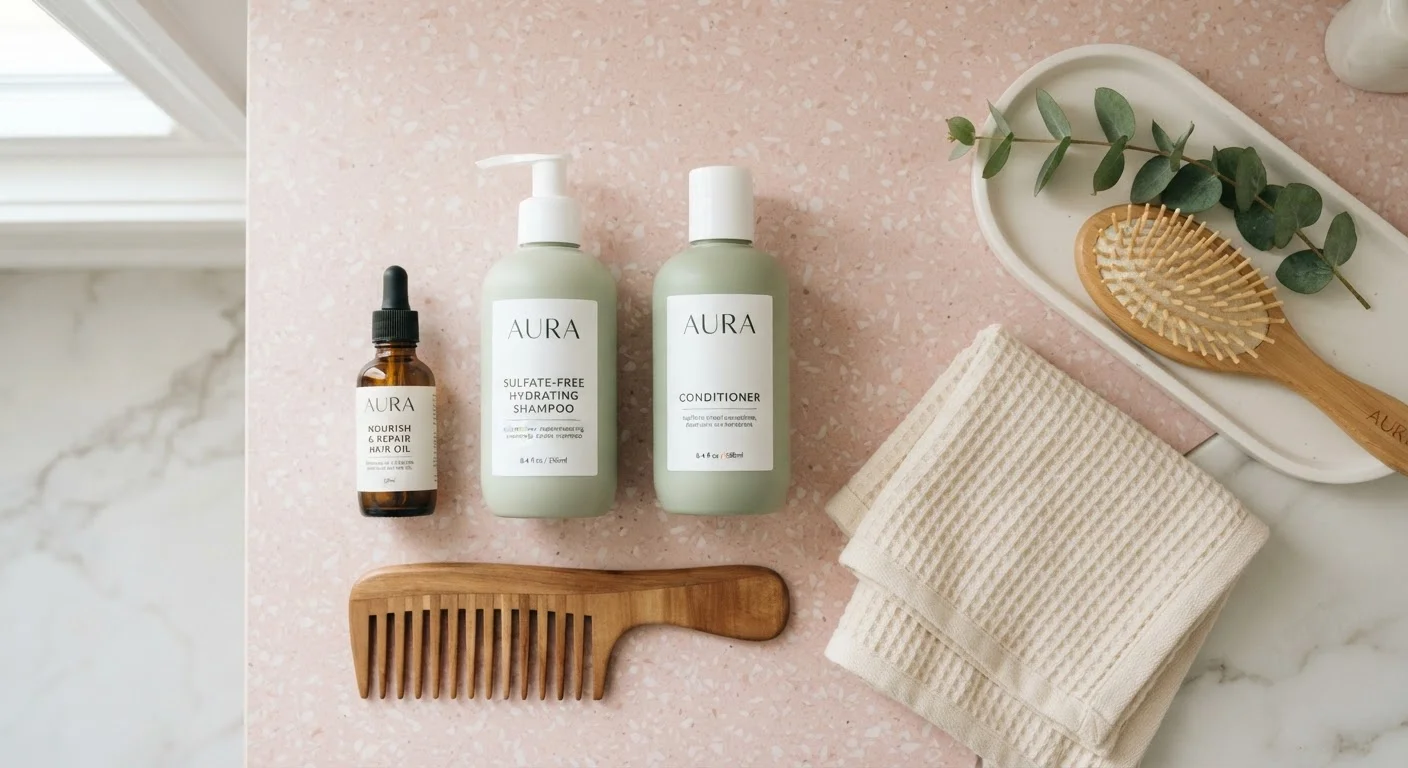
Switch to a sulfate-free shampoo formulated for color-treated hair.
Sulfates (like sodium lauryl sulfate) are powerful detergents that strip not just dirt and oil but also the color pigment bound to your hair. Gentler surfactants cleanse effectively without the same degree of pigment loss.
Rinse with cool or lukewarm water instead of hot.
Hot water raises the hair cuticle, creating gaps through which color molecules escape. Cooler water keeps the cuticle flatter and more intact, which meaningfully slows the fading process over repeated washes.
Reduce wash frequency to two or three times per week where your hair type allows.
Every wash cycle — no matter how gentle — removes some color. Fewer washes simply means less cumulative exposure to the factors that cause fading. Sebum also provides a natural protective coating that helps preserve color.
Gently squeeze out excess water; never rub your hair with a towel.
Wet hair is at its most fragile — the cuticle is swollen and more vulnerable to mechanical damage. Rough towel-drying creates friction that roughens the cuticle, making it harder for color to stay sealed inside the shaft.
If you're also thinking about how often to wash beyond color concerns, our guide to wash frequency breaks down the right cadence for different scalp types and lifestyles.
Quick Wins You Can Start Today
You don't need to overhaul your entire routine at once. These immediate changes tend to have the biggest impact for the least effort.
The Conditioning Step Most People Rush
Conditioner is not optional for color-treated hair — it's doing active work. After color processing, the cuticle is more porous than usual, which means moisture escapes faster and color pigment follows. A good conditioner temporarily smooths the cuticle back down, reducing that porosity and helping color stay put.
Try a Cold-Water Final Rinse
After rinsing out your conditioner, give your hair a 10–15 second blast of the coldest water you can comfortably tolerate. This encourages the cuticle to contract and lie flat, which helps seal in both moisture and color pigment. It sounds uncomfortable, but most people find they adapt to it quickly — and the payoff in color longevity is real.
Apply conditioner from mid-shaft to ends, not the scalp. Leave it on for at least two to three minutes before rinsing — and yes, that final rinse should be cool or cold. The temperature shift helps the cuticle close, sealing in both moisture and pigment. Deep conditioning treatments once every week or two provide extra insurance, especially for hair that's been lightened, which tends to be more porous and fragile.
This article is for general informational purposes only. For personalized hair care advice — particularly if you have a scalp condition or sensitivity — consult a licensed cosmetologist or dermatologist.
The content on this site is for informational purposes only and is not a substitute for professional advice. Always consult a qualified professional for guidance specific to your situation.