

Summary
22 items · 20-40 minutes
Why the Annual Exam Matters More Than You Think
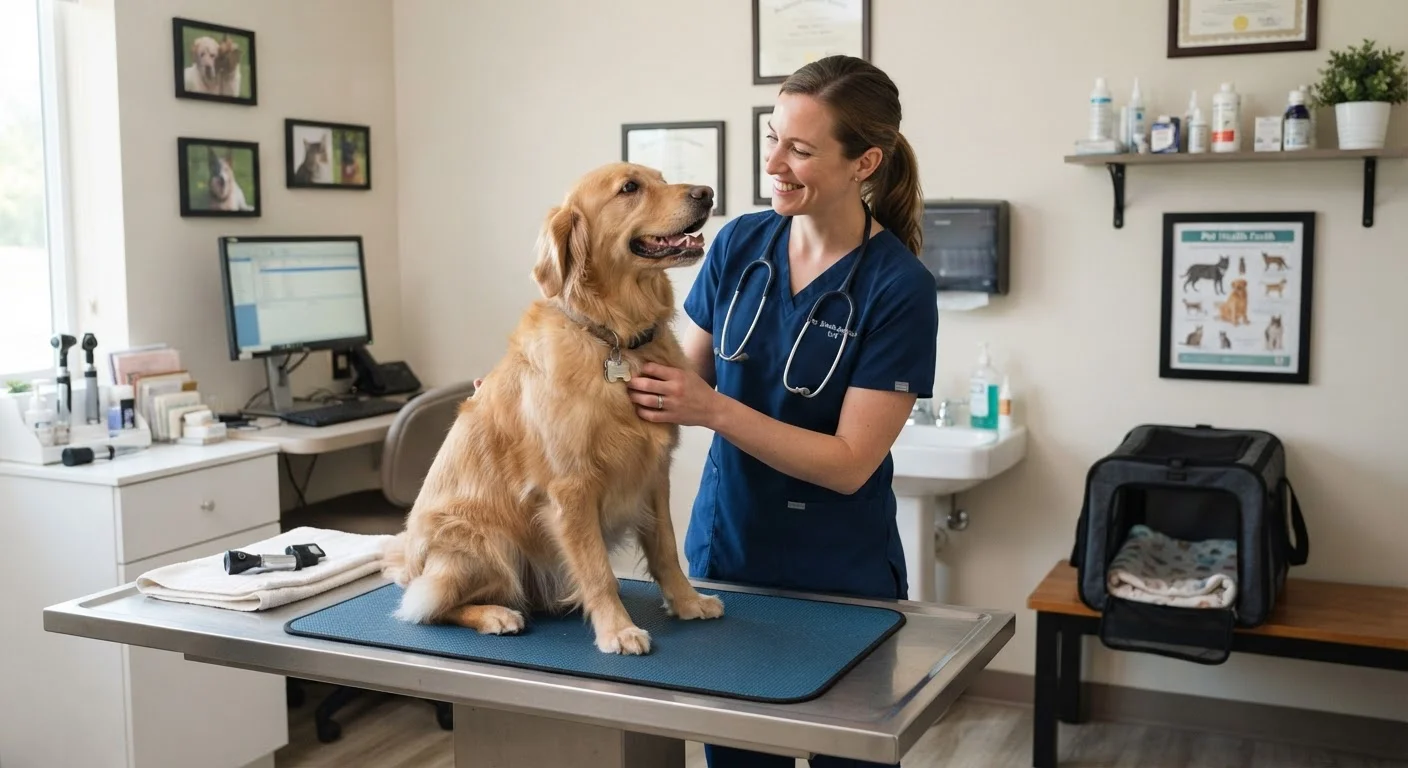
Most pet owners think of the yearly vet visit as a quick vaccine update. In reality, it's your veterinarian's most important opportunity to catch subtle health changes before they become serious problems. Dogs and cats age faster than humans - a single year can represent meaningful shifts in organ function, dental health, weight, and mobility.
Understanding what happens during a wellness exam helps you prepare better, advocate for your pet more effectively, and make the most of limited appointment time. Whether your household has a senior cat or a young rescue dog, this checklist keeps you organized from the night before the appointment through the follow-up at home.
For a deeper look at how health needs shift through a pet's life, see how dogs and cats age through different life stages - it provides helpful context for the questions your vet may raise.
Senior Pets Need More Frequent Exams
Most veterinarians recommend twice-yearly wellness visits for dogs and cats considered senior - generally those over seven years old, though this varies by breed and size. More frequent check-ins allow for earlier detection of conditions like kidney disease, hyperthyroidism, and arthritis that tend to emerge gradually. Talk to your vet about what visit frequency is appropriate for your pet's specific age and health history.
What to Bring and Prepare Before You Go
Arriving prepared saves time and helps your vet make better decisions. The night before the appointment, pull together everything on the preparation checklist below.
Before You Leave Home
At the Clinic
After the Appointment
One often-missed item: write down any behavioral changes you've noticed, no matter how minor. Increased water intake, changes in litter box habits, hesitation on stairs - these details can be clinically significant. Vets rely on owner observations that aren't visible in a 20-minute exam.
If cost is a concern, it helps to think of the annual vet visit as part of your regular pet budget. Approaching it the same way you'd approach a monthly budget review - planning ahead, knowing what's coming - makes veterinary expenses far less stressful.
What Your Vet Will Typically Assess
A standard wellness exam covers a structured head-to-tail physical. Here's what most veterinarians evaluate during an annual visit for both dogs and cats:
- Weight and body condition score - Obesity is a leading driver of joint disease, diabetes, and shortened lifespan in pets.
- Eyes, ears, and nose - Signs of infection, discharge, or early cataract formation.
- Teeth and gums - Dental disease affects the majority of adult pets and is frequently underestimated. See what most owners get wrong about pet dental health for a closer look.
- Heart and lungs - Listening for murmurs, irregular rhythms, or respiratory changes.
- Abdomen - Palpating for organ size, masses, or discomfort.
- Skin and coat - Checking for parasites, lumps, hair loss, or inflammation.
- Joints and mobility - Especially important for senior or large-breed dogs.
- Lymph nodes - Enlarged nodes can be an early indicator of infection or other conditions.
Don't Skip the Visit Just Because Your Pet Seems Fine
Many serious health conditions in dogs and cats - including early kidney disease, dental infections, and certain cancers - show few outward signs until they are well advanced. A pet that appears healthy can still benefit enormously from routine blood panels, urinalysis, and a physical exam. Annual wellness visits are a proactive tool, not just a reactive one.
Vaccine status will also be reviewed. For dog owners who want to understand the full vaccination picture, a plain-English vaccine schedule for dogs covers core versus non-core vaccines and booster timing.
Questions Worth Asking at Every Visit
Don't leave without addressing these topics - many are easy to overlook in the flow of an appointment:
Pet health record folder or binder
Keeps all vaccination certificates, lab results, and vet notes organized and easy to bring to appointments.
Stool sample container
Used to collect a fresh fecal sample for parasite screening - often required at annual exams.
Secure cat carrier or dog leash
Ensures safe transport and reduces stress for your pet during the visit.
Notepad or notes app
Helps you record vet instructions, medication details, and follow-up reminders during the appointment.
Pet health tracking app
Provides a convenient way to log medications, vet visits, and weight trends between appointments.
- Is my pet's weight appropriate, and should I adjust their diet?
- Are their teeth healthy enough, or is a professional cleaning recommended?
- What parasite prevention is right for their lifestyle and region?
- Are there any early signs of age-related changes I should watch for?
- What's the recommended visit frequency for their current life stage?
This article is for general informational purposes only and does not constitute veterinary advice. Always consult a licensed veterinarian for guidance specific to your pet's health, age, breed, and medical history.
The content on this site is for informational purposes only and is not a substitute for professional advice. Always consult a qualified professional for guidance specific to your situation.