

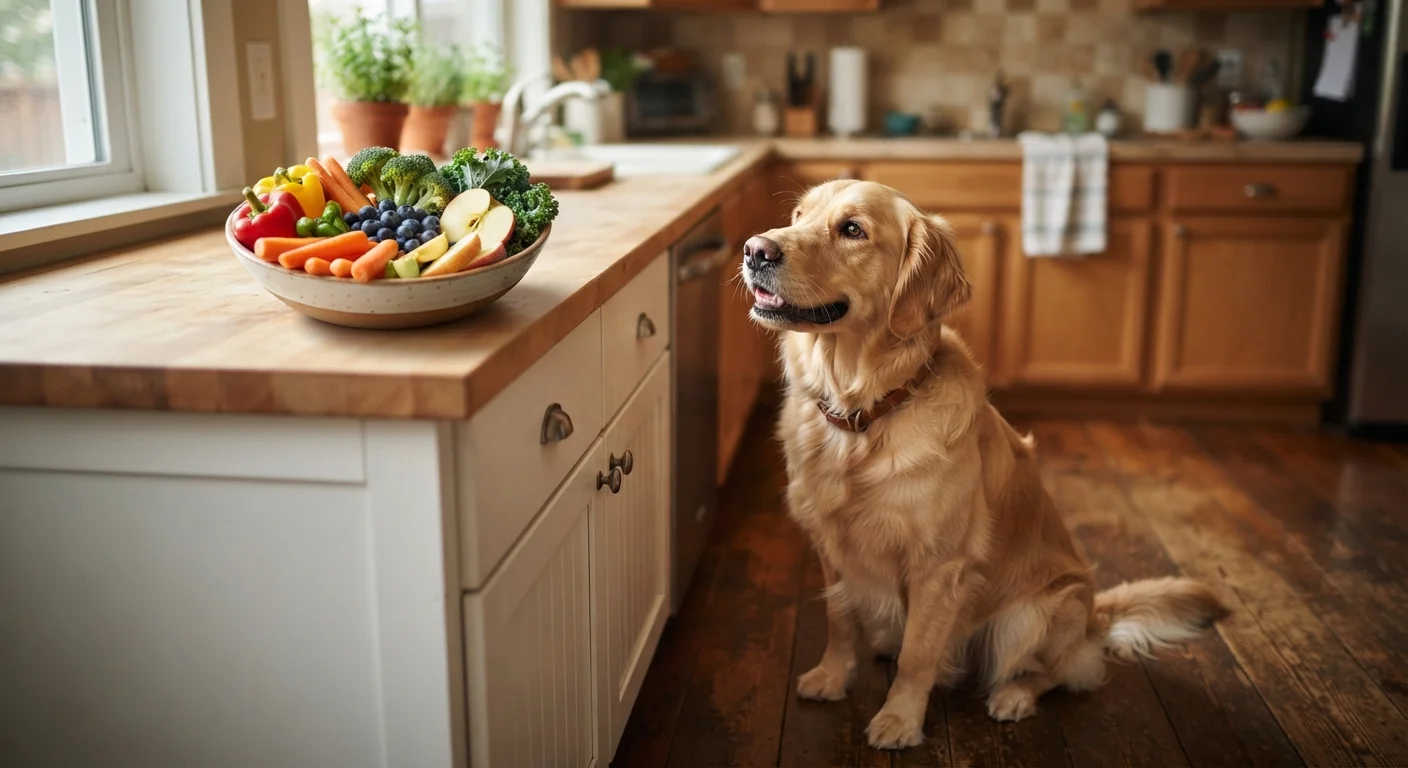
Why Human Food and Dogs Are a Complicated Mix
Many of us have slipped a dog a piece of table food without a second thought - and for most common foods, the occasional small bite is unlikely to cause harm. But some very ordinary kitchen staples are genuinely dangerous to dogs, while others carry a reputation for danger they don't fully deserve. Sorting out which is which matters, because acting on the wrong assumption can put your pet at real risk.
The myths below are among the most widely repeated - and most consequential - in pet nutrition. If you're ever uncertain about a specific food, the safest step is always a quick call to your veterinarian before offering it. For a broader look at how misleading nutrition claims affect human eating too, see our evidence-based nutrition myth corrections.
Myth
A little garlic is fine for dogs - some say it's even good for them.
Fact
Garlic is toxic to dogs in all forms: raw, cooked, and powdered. It belongs to the Allium family and can damage red blood cells, potentially causing hemolytic anemia.
Garlic contains compounds called thiosulfates and disulfides that dogs cannot metabolize safely the way humans can. Even small repeated amounts can accumulate and cause oxidative damage to red blood cells. Signs of toxicity - pale gums, lethargy, rapid breathing, vomiting - may not appear for several days after ingestion, making it easy to miss the connection. Onions, leeks, and chives carry the same risk. No form of Allium vegetable is considered safe for dogs.
Myth
Grapes are a natural snack - a few won't hurt a healthy dog.
Fact
Grapes and raisins are among the most dangerous foods for dogs. Even a single grape has caused acute kidney failure in some dogs, though the toxic compound has not yet been definitively identified.
The unpredictability of grape toxicity makes it especially alarming: some dogs eat a small amount with no obvious effect, while others suffer severe kidney injury from the same quantity. Because there is no established safe dose and the underlying mechanism remains under investigation, veterinary guidance is unanimous - grapes, raisins, currants, and grape juice should never be given to dogs. If accidental ingestion occurs, contact a veterinarian or the ASPCA Animal Poison Control Center immediately.
Myth
Plain cooked chicken is too rich for dogs and should be avoided.
Fact
Plain, boneless, cooked chicken without seasoning is generally considered a safe, digestible protein source for most healthy dogs and is a common ingredient in commercial dog foods.
The real risk with chicken is not the meat itself but how it's prepared. Bones from cooked chicken can splinter and cause internal injuries or choking. Seasonings - especially garlic and onion - are dangerous. High-fat skin can trigger pancreatitis in susceptible dogs. But unseasoned, boneless, well-cooked breast meat is frequently recommended by vets as a bland diet option during digestive upset. As with any dietary addition, introduce it gradually and in modest amounts.
Myth
Grain-free dog food is always healthier than grain-inclusive formulas.
Fact
There is currently no scientific evidence that grain-free diets are broadly healthier for dogs, and the FDA has investigated a potential link between grain-free diets and dilated cardiomyopathy (DCM), a serious heart condition.
The FDA investigation, ongoing since 2018, flagged an association between certain grain-free, legume-heavy diets and DCM in dogs - including breeds not previously considered genetically predisposed to the condition. The causal mechanism is not yet fully established, but leading veterinary cardiologists have advised caution. Unless your dog has a confirmed grain allergy or intolerance diagnosed by a vet, switching to grain-free food based on general wellness assumptions is not supported by current evidence. Discuss any diet change with your veterinarian first.
Myth
Dairy is fine for dogs - they love it, so it must agree with them.
Fact
Many adult dogs are lactose intolerant to varying degrees. Small amounts of plain, low-fat dairy may be tolerated by some dogs, but regular or large servings commonly cause digestive upset.
Dogs produce lower levels of lactase - the enzyme needed to break down lactose - than puppies or most humans. The result can be diarrhea, gas, and stomach cramps. High-fat dairy products also carry a pancreatitis risk. A lick of plain yogurt or a small cheese cube is unlikely to be an emergency for a healthy adult dog, but dairy should not become a routine part of the diet without veterinary input, especially for dogs with sensitive digestion.
Myth
If a food isn't on any "toxic" list, it's safe for dogs to eat.
Fact
Absence from a known toxin list does not make a food safe. Many human foods that are non-toxic can still cause digestive issues, obesity, or pancreatitis depending on fat content, portion size, and the individual dog's health.
Avocado flesh is a good example: it's not as acutely toxic to dogs as it is to birds, but it contains persin and is high in fat, making it inadvisable. Macadamia nuts are another food that may not appear on every informal list but is well-documented as toxic to dogs. When evaluating any new food, the question isn't just "is it poisonous?" - it's also whether the fat load, sugar content, or preparation method could cause harm. The ASPCA's Animal Poison Control database and your veterinarian are the most reliable resources for up-to-date guidance.
What Responsible Sharing Actually Looks Like
If your vet has cleared certain whole foods as occasional treats, portion size and preparation matter. Cooked, unseasoned foods are far safer than raw or heavily spiced versions. Onion powder, garlic powder, xylitol (common in peanut butters), and artificial sweeteners can hide in foods that seem innocent on the surface - always check ingredient labels.
Hidden Ingredients Can Be the Real Danger
Xylitol - an artificial sweetener found in some peanut butters, baked goods, and candy - is highly toxic to dogs and can cause a rapid, life-threatening drop in blood sugar. Always read the full ingredient list of any packaged food before sharing it with your pet. When in doubt, choose whole, single-ingredient foods and consult your vet.
Dogs with underlying conditions - diabetes, kidney disease, pancreatitis, food allergies - may face stricter limits than healthy adult dogs. Puppies and senior dogs may also respond differently to dietary changes. This is general education, not medical advice tailored to your individual pet; your veterinarian is the right person to guide specific feeding decisions.
For a deeper look at everyday household hazards beyond the kitchen, our pet-proofing home safety guide covers what owners routinely overlook. And if you're evaluating your dog's regular diet, decoding pet food labels is a useful next step.
This article is for general informational purposes only and is not a substitute for professional veterinary advice. Always consult a licensed veterinarian regarding your pet's specific health needs.
The content on this site is for informational purposes only and is not a substitute for professional advice. Always consult a qualified professional for guidance specific to your situation.