

Start here
What Plant-Based Eating Actually Means
Next
Key Nutrients to Pay Attention To
Then
How to Start Without Overhauling Everything
Finally
Common Misconceptions Worth Clearing Up
What Plant-Based Eating Actually Means
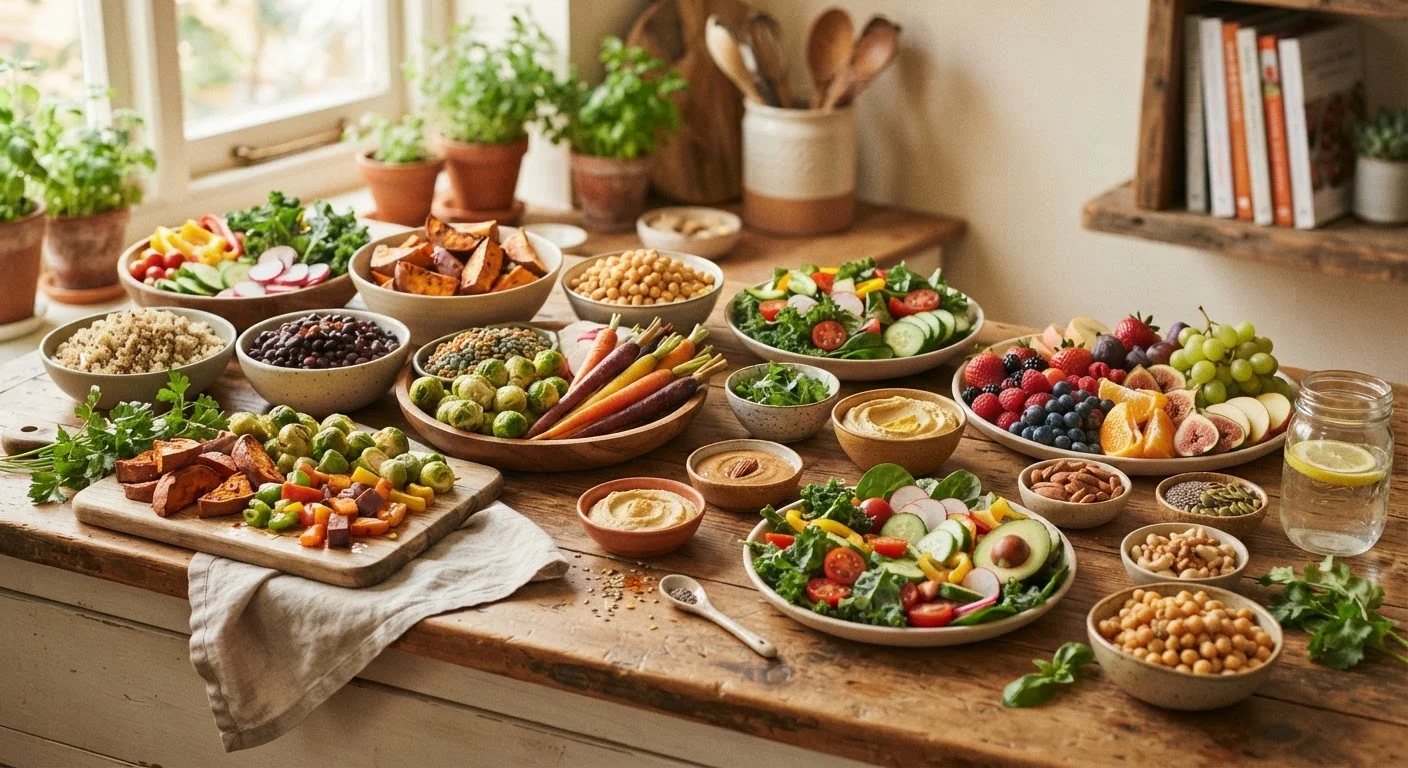
The phrase "plant-based" gets applied to everything from casual salad habits to strict veganism, which is part of why it can feel so confusing. At its core, plant-based eating means structuring your diet primarily around foods that come from plants — vegetables, fruits, legumes, whole grains, nuts, and seeds — while reducing or eliminating animal products.
The term exists on a spectrum. A flexitarian eats mostly plants but includes meat occasionally. A lacto-ovo vegetarian avoids meat and fish but eats dairy and eggs. A fully plant-based or vegan diet excludes all animal-derived foods. None of these is inherently superior — the approach that works best depends on individual health status, preferences, and goals.
Flexitarian
A mostly plant-based eater who occasionally includes meat or fish. There is no strict rule for how often animal products can be consumed.
Whole food
A food that is minimally processed and close to its natural state — think lentils, broccoli, or oats rather than packaged snack products made from plant ingredients.
Non-heme iron
The form of iron found in plant foods and eggs. It is absorbed less efficiently than heme iron (from meat), but pairing it with vitamin C can significantly improve uptake.
ALA (Alpha-linolenic acid)
A plant-derived omega-3 fatty acid found in flaxseed, chia seeds, and walnuts. The body converts it to EPA and DHA, but the conversion rate is limited.
Fortified food
A food that has had nutrients added to it that are not naturally present — for example, plant milks fortified with calcium and vitamin D.
Research from institutions like the Harvard T.H. Chan School of Public Health suggests that diets rich in whole plant foods are associated with lower risks of cardiovascular disease, type 2 diabetes, and certain cancers. That said, association is not causation, and overall dietary patterns — not individual foods — drive most of those outcomes.
Key Nutrients to Pay Attention To
One of the most practical questions beginners ask is: what am I at risk of missing? Plant-based diets can be nutritionally complete, but a few nutrients deserve deliberate attention.
- Vitamin B12: Found almost exclusively in animal products, B12 is essential for nerve function and red blood cell formation. Anyone following a fully plant-based diet should discuss supplementation with a healthcare provider.
- Iron: Plants contain non-heme iron, which is less readily absorbed than the heme iron in meat. Pairing iron-rich foods like lentils or spinach with vitamin C sources (bell peppers, citrus) can enhance absorption.
- Omega-3 fatty acids: Fatty fish are the most concentrated dietary source of EPA and DHA. Plant sources like flaxseed and walnuts provide ALA, a precursor that the body converts inefficiently. Algae-based omega-3 supplements offer a direct plant-derived alternative.
- Calcium and vitamin D: Both support bone health. Fortified plant milks, tofu made with calcium sulfate, and leafy greens contribute calcium; sun exposure and supplementation address vitamin D for many people.
- Zinc and iodine: Often overlooked but important; iodized salt and seaweed offer iodine, while legumes and seeds supply zinc.
For a broader look at how different protein sources stack up by amino acid profile and bioavailability, see Protein Sources Across Different Eating Patterns.
Pair Iron-Rich Plants With Vitamin C
To make the most of non-heme iron in plant foods, combine them with a vitamin C source at the same meal. For example, add lemon juice to a lentil salad or include bell pepper in a bean stir-fry. This practical pairing can meaningfully improve how much iron your body absorbs.
How to Start Without Overhauling Everything
Lasting dietary change rarely follows an all-or-nothing reset. A more sustainable approach is to add before you subtract — bring in more plant-centered meals gradually rather than eliminating familiar foods overnight.
Practical entry points include:
- Start with one plant-based meal per day. Breakfast is often the easiest place to begin — oatmeal with nuts and fruit, or a smoothie built around leafy greens and legume-based protein powder.
- Expand your legume repertoire. Black beans, chickpeas, lentils, and edamame are inexpensive, shelf-stable, and versatile. Swapping them into familiar dishes like soups, tacos, or grain bowls requires minimal skill.
- Rethink your plate structure. Rather than centering every meal around a protein animal product, try building around a whole grain and two or more vegetables, with a legume or nut-based element alongside. Building a Balanced Plate offers structural principles that work across dietary styles.
- Plan your grocery trips with nutrition in mind. A clear framework for navigating the store helps prevent defaulting to familiar but less nutritious choices. See Grocery Shopping With Nutrition in Mind for an aisle-by-aisle approach.
Special Populations Need Extra Guidance
Children, pregnant individuals, those who are breastfeeding, and older adults have nutrient needs that differ significantly from the general population. A well-planned plant-based diet can be appropriate at many life stages, but it requires closer professional oversight. If you fall into one of these groups, work with a registered dietitian before significantly changing your eating pattern.
Common Misconceptions Worth Clearing Up
A few persistent myths can stall beginners before they get started.
Myth: Plant-based automatically means healthy. Ultra-processed plant-based burgers, flavored oat milks loaded with added sugar, and refined snack foods all qualify as plant-derived — but they don't carry the same benefits as whole food sources. Processing matters as much as the origin of the ingredient.
Myth: You need to go all-in immediately. The evidence doesn't support a specific pace of transition. Many people who shift incrementally stick with the change longer than those who attempt a complete overnight switch.
Myth: Plant-based eating is expensive. Staples like dried lentils, canned beans, frozen vegetables, oats, and brown rice are among the most affordable items in any grocery store. Expense tends to rise when relying heavily on specialty packaged products.
Myth: It's hard to get enough protein. It requires awareness, not heroics. A daily diet including legumes, soy foods, whole grains, and nuts can meet protein needs for most healthy adults. Individual requirements vary — anyone with specific athletic or medical needs should consult a registered dietitian.
This article is for informational purposes only and does not constitute medical or nutritional advice. Consult a qualified healthcare provider or registered dietitian before making significant changes to your diet, especially if you have a health condition or are in a special population group such as pregnancy or childhood.
Processed Plant Foods Aren't a Free Pass
Many packaged products marketed as plant-based are high in sodium, saturated fat, or added sugar. Reading nutrition labels matters as much on plant-based products as it does on any other packaged food. Building your diet around whole, minimally processed plant foods will generally serve you better than swapping one processed food for another.
Frequently Asked Questions
Not necessarily. Veganism excludes all animal products for ethical, environmental, or health reasons. Plant-based eating is a broader term that simply emphasizes whole plant foods — it may still include some animal products in smaller amounts, depending on the individual.
Yes, with thoughtful planning. Legumes, tofu, tempeh, edamame, whole grains, nuts, and seeds all contribute meaningful protein. Eating a variety of these foods throughout the day helps cover the full range of essential amino acids.
Vitamin B12 is not reliably found in plant foods and is typically recommended as a supplement for anyone following a fully plant-based diet. Depending on food choices and sun exposure, vitamin D and omega-3s may also warrant attention. A healthcare provider can help assess individual needs.
There is no required timeline. Many people find a gradual approach — adding more plant meals each week rather than eliminating foods all at once — more sustainable long term. The pace should match your lifestyle, preferences, and any guidance from a healthcare provider.
Not automatically. Many plant-based packaged products are heavily processed and high in sodium, saturated fat, or added sugar. Whole plant foods like beans, vegetables, and grains tend to offer more consistent nutritional benefits than their processed counterparts.
Well-planned plant-based diets can be nutritionally adequate at various life stages, according to major dietetic organizations. However, children, pregnant individuals, and those who are breastfeeding have specific nutrient needs that require careful planning and professional guidance. Always consult a qualified healthcare provider before making dietary changes during these stages.
The content on this site is for informational purposes only and is not a substitute for professional advice. Always consult a qualified professional for guidance specific to your situation.