

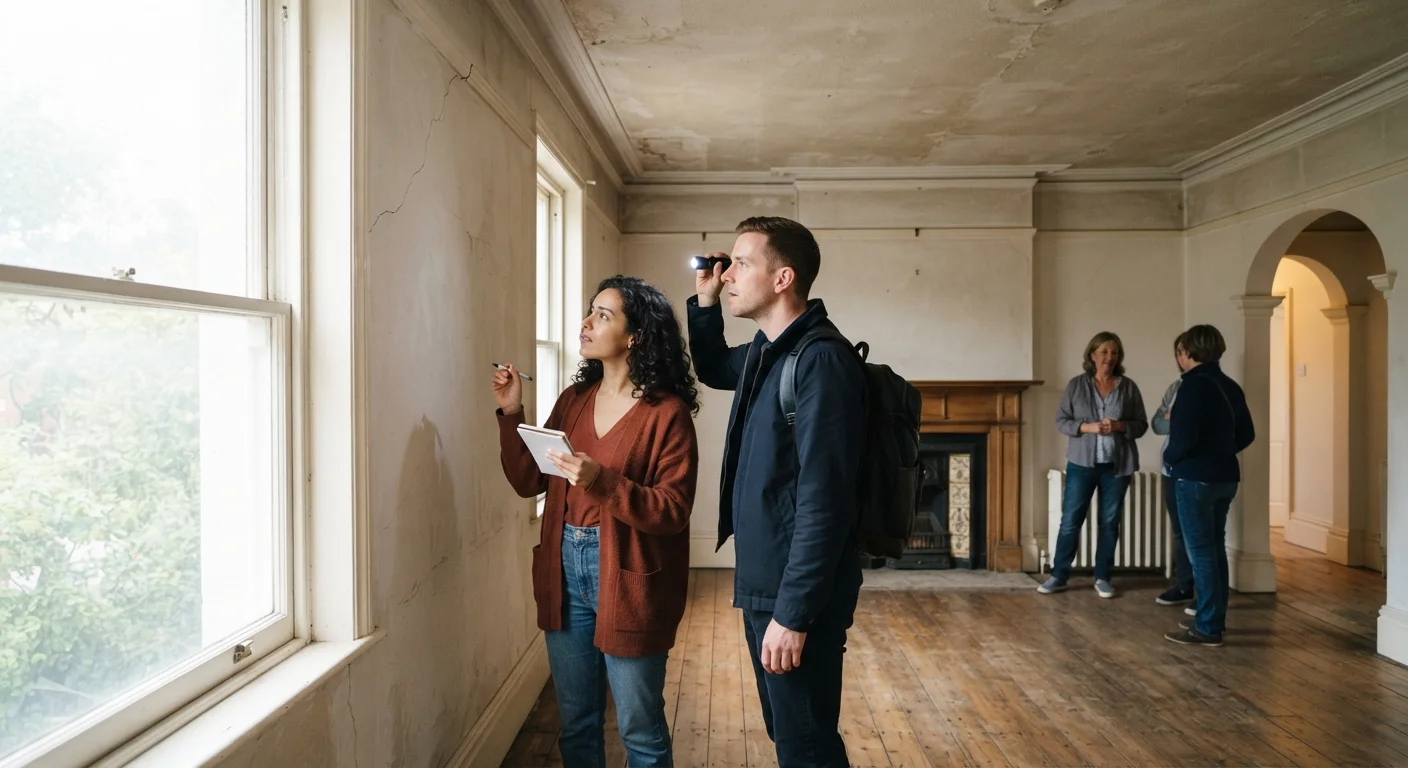
Why the Walkthrough Matters More Than Most Buyers Realise
A property tour is not just a chance to picture your furniture in the living room. It is one of your best opportunities to gather raw, firsthand evidence about the condition of a home before you commit to an offer. Yet first-time buyers routinely leave showings having looked without really seeing — drawn in by staging, natural light, and the excitement of the search.
Understanding what to look for before you walk through the door puts you in a fundamentally stronger position. It sharpens the questions you ask, focuses your professional inspection, and helps you evaluate whether what you are seeing reflects genuine value or skilled presentation. Our guide to reading a home like an inspector covers the deeper technical signals worth learning.
A Tour Is Not a Substitute for an Inspection
Nothing in this article replaces a licensed home inspector's report. Inspectors carry professional training and liability that a buyer walkthrough cannot replicate. Use these pointers to ask better questions and flag concerns early — then rely on a qualified inspector before committing. See our overview of how inspections and appraisals differ to understand both assessments.
Common Mistakes Buyers Make During Property Tours
The errors below are not signs of carelessness — they are predictable responses to an unfamiliar and emotionally charged situation. Recognising them in advance is what helps you avoid them.
Focusing only on finishes and décor while ignoring structural and mechanical systems.
Why it happens: Staging is designed to direct attention toward attractive features. First-time buyers, often touring many homes for the first time, naturally react to what looks appealing rather than what lies beneath.
Overlooking signs of water intrusion and drainage problems.
Why it happens: Water damage is not always visible. Sellers may have painted over stains or aired out musty smells before a showing, making it easy to miss during a brief visit.
Not testing every switch, outlet, faucet, and fixture during the tour.
Why it happens: It can feel intrusive or awkward to methodically test every element of someone else's home. Buyers often hold back out of social hesitation.
Ignoring the neighbourhood context and surrounding land use.
Why it happens: Buyers are often so focused on the home itself that the block, traffic patterns, and nearby commercial or industrial use barely register during a showing.
Visiting only once, at the same time of day.
Why it happens: Scheduling constraints and competitive markets push buyers to view homes quickly and move on. Returning a second time can feel unnecessary if the first visit went well.
Skipping questions about the age and condition of major systems.
Why it happens: Buyers may not know what to ask, or they assume the listing disclosure covers everything they need to know.
Cosmetic Updates Can Hide Serious Problems
Fresh paint, new flooring, and updated light fixtures are inexpensive ways to make a home show well. They can also conceal water stains, uneven subfloors, or outdated wiring. If a home has been recently refreshed in isolated spots — one repainted wall, one new section of flooring — ask why and look more closely at what surrounds that area.
After your tour, cross-reference what you observed with the due diligence checklist to ensure nothing falls through the cracks before you make an offer.
What to Do Before and After Every Showing
Preparation before you arrive matters. Review the listing disclosure carefully and write down any gaps or vague language. Bring your checklist, a phone with a working camera, and a flashlight for basements and closets. Plan to spend at least 45 minutes on any home you are seriously considering.
After the showing, write down your observations while they are fresh — including anything that felt off or prompted a question you forgot to ask. If the home advances to a formal offer, make sure your contract includes an inspection contingency. Understanding how contingencies protect buyers is essential before signing anything.
~19%
Buyers who discover major defects after closing
A survey by the American Society of Home Inspectors found a significant share of buyers encounter problems post-closing that a more thorough pre-offer review might have surfaced earlier.
$4,000–$10,000+
Typical HVAC system replacement cost
According to HomeAdvisor cost data, central HVAC replacement commonly falls in this range, underscoring why system age matters during a tour.
First-time buyers navigating this process without a dedicated advocate may also want to understand what a buyer's agent does — including how their role differs from the seller's representation. Thorough preparation at the tour stage pays dividends at every step that follows.
The content on this site is for informational purposes only and is not a substitute for professional advice. Always consult a qualified professional for guidance specific to your situation.