

Why Leases Feel Complicated — And Why They Don't Have to Be
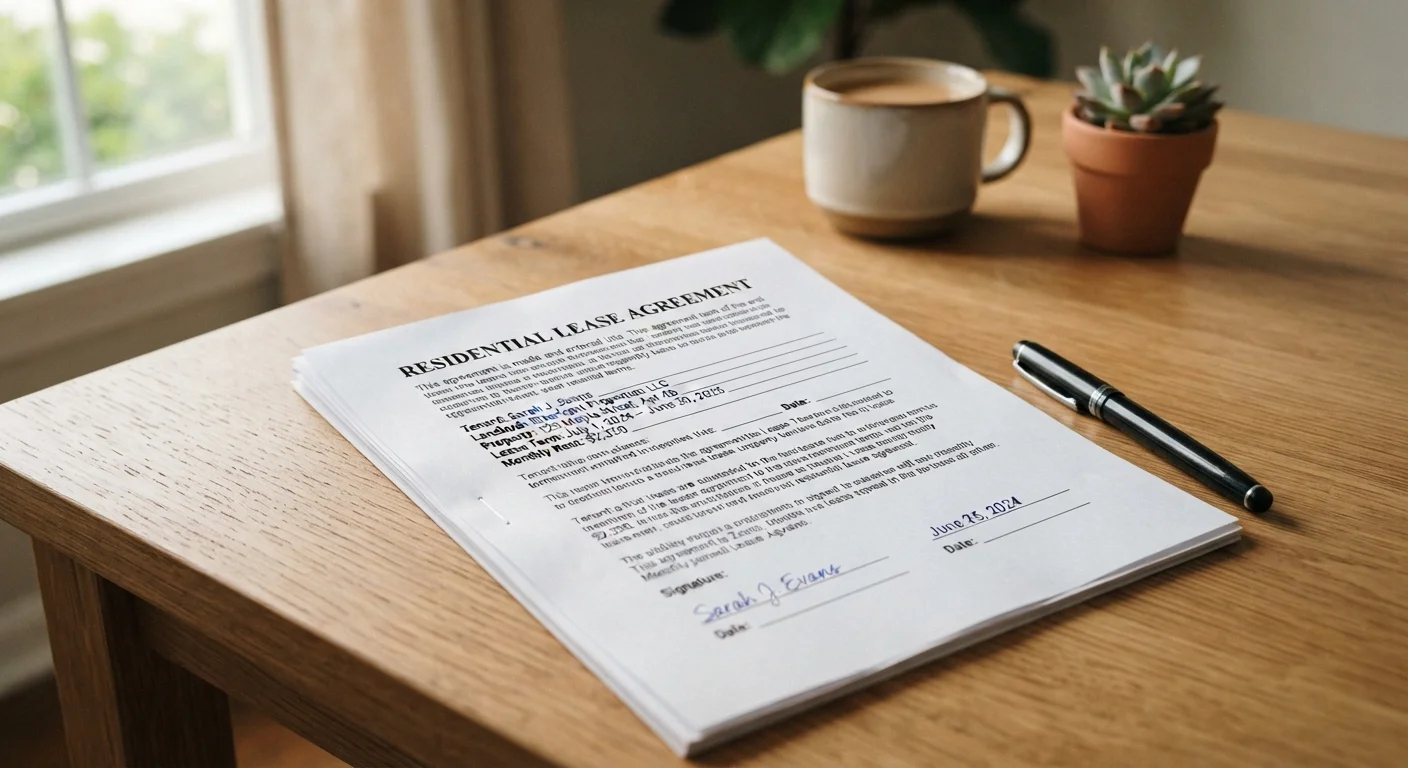
Most renters sign their lease in a hurry, skimming past pages of dense language to get to move-in day. That's understandable — but it's also how avoidable disputes and unexpected costs happen. A lease is not designed to be a trap. It is a structured agreement that, once decoded, tells you exactly what you're committing to and what your landlord owes you in return.
For a full picture of how your lease fits into the broader rental journey, the Renter's Complete Roadmap covers every stage from signing to move-out. This article focuses on the document itself — the clauses that matter most and what each one actually means.
Read Before You Sign — Every Page
Request the lease in advance, not at the signing appointment. Take at least 24 hours to read it in full, flag any clause you don't understand, and ask for clarification in writing. Any verbal promises a landlord makes should be written into the lease as an addendum before you sign — verbal agreements are difficult to enforce.
The Core Clauses Every Renter Should Understand
Rent and payment terms. The lease states the monthly rent, the due date, acceptable payment methods, and the grace period (if any) before a late fee applies. Late fees are capped by law in several states, so it's worth knowing your state's limit. If any rent terms feel unclear or burdensome, they may be worth discussing before you sign — see our guide on negotiating rent for what's realistically on the table.
Lease term. This section defines whether you're signing a fixed-term lease (commonly 12 months) or a month-to-month arrangement. Fixed-term leases lock in your rent and your tenancy; month-to-month leases offer flexibility but typically allow the landlord to raise rent or end the tenancy with shorter notice.
Security deposit. Your lease should specify the deposit amount, the conditions under which it can be withheld, and the timeline for return after move-out. Document the condition of the unit with photos on move-in day — this is your most practical protection against improper deductions.
Maintenance and repairs. Leases typically define what the tenant is responsible for (minor upkeep, replacing light bulbs, keeping the unit clean) versus what falls on the landlord (appliances, plumbing, structural issues). Understand this split before you sign — it affects who you call and who pays when something breaks.
~52%
U.S. renters who report not reading their full lease
A survey by Apartment List found roughly half of renters admitted to not reading their entire lease before signing.
14–30 days
Typical security deposit return window by state
Most U.S. states require landlords to return security deposits within this range after a tenant moves out, according to state landlord-tenant statutes.
2x monthly rent
Common maximum security deposit cap in many states
Numerous states cap security deposits at one to two months' rent, though the exact limit varies by jurisdiction.
Clauses That Catch Renters Off Guard
Subletting restrictions. Most standard leases prohibit subletting without the landlord's prior written consent. Violating this clause can be grounds for eviction. If you think you may need to sublet — for a job relocation or extended travel — address it before signing. Our explainer on renting vs. subletting outlines the risks in detail.
Early termination. This clause spells out what happens if you need to leave before the lease ends. Penalties vary widely — some leases charge two months' rent as a flat fee; others hold you liable for the remaining term. A handful of states allow tenants to break a lease penalty-free under specific circumstances, such as domestic violence situations or active military deployment under the Servicemembers Civil Relief Act.
Renewal and rent increase notices. Leases often auto-renew unless you give written notice within a specific window — sometimes 60 days before the end of the term. Missing that window can lock you into another full year. Note any rent increase provisions as well; some leases cap how much rent can rise at renewal.
Lease Laws Vary Significantly by State
There is no single national landlord-tenant law in the United States. Security deposit limits, required notice periods, habitability standards, and tenant remedies differ substantially from state to state — and sometimes by city. Before signing or disputing anything, check your state's landlord-tenant statute or consult a local tenant rights organization for jurisdiction-specific guidance.
Your Rights Can't Be Signed Away
Landlords cannot include lease clauses that waive your statutory rights, even if you sign them. In most states, this means clauses that waive your right to a habitable unit, remove your right to sue for discrimination, or require you to pay for repairs the landlord is legally obligated to make are unenforceable — regardless of what the document says.
Knowing these protections exists gives you real leverage. The rights landlords rarely advertise include habitability standards, retaliation protections, and rules around landlord entry — all of which apply independent of what your lease says.
“A lease is not just a formality — it is the legal foundation of the entire tenancy. Tenants who understand what they've signed are far better positioned to protect themselves when disputes arise.”
— National Housing Law Project, Nonprofit legal advocacy organization focused on housing rights
This article is for general informational purposes only and does not constitute legal advice. Lease laws vary by state and locality. Consult a licensed attorney or local tenant advocacy organization if you have questions about a specific lease or dispute.
Frequently Asked Questions
Early termination typically exposes you to penalties outlined in the lease, which often include forfeiting your security deposit and paying rent through the end of the lease term or until a new tenant is found. Some states require landlords to make a reasonable effort to re-rent the unit, which can limit your liability. Certain circumstances — such as military deployment or uninhabitable conditions — may provide legal grounds to exit without full penalty.
Generally, a landlord cannot unilaterally change the terms of a fixed-term lease while it is in effect. For month-to-month arrangements, landlords typically must provide written notice — often 30 days — before changing terms such as rent. Always check your state's landlord-tenant laws for specific notice requirements.
In many states, verbal lease agreements for short-term rentals (typically under 12 months) can be legally valid, but they are extremely difficult to enforce because there is no written record of what was agreed. A written lease protects both parties and is always the safer option.
A security deposit is held by the landlord to cover unpaid rent or damage to the property beyond normal wear and tear. State laws regulate maximum deposit amounts and how quickly landlords must return them after move-out, usually within 14 to 30 days. Landlords are generally required to provide an itemized written explanation for any deductions.
Yes — many lease terms are negotiable, including rent amount, pet policies, parking fees, and lease length. The degree of flexibility often depends on local market conditions and the landlord's situation. Getting any agreed changes in writing as an addendum is essential.
The content on this site is for informational purposes only and is not a substitute for professional advice. Always consult a qualified professional for guidance specific to your situation.