

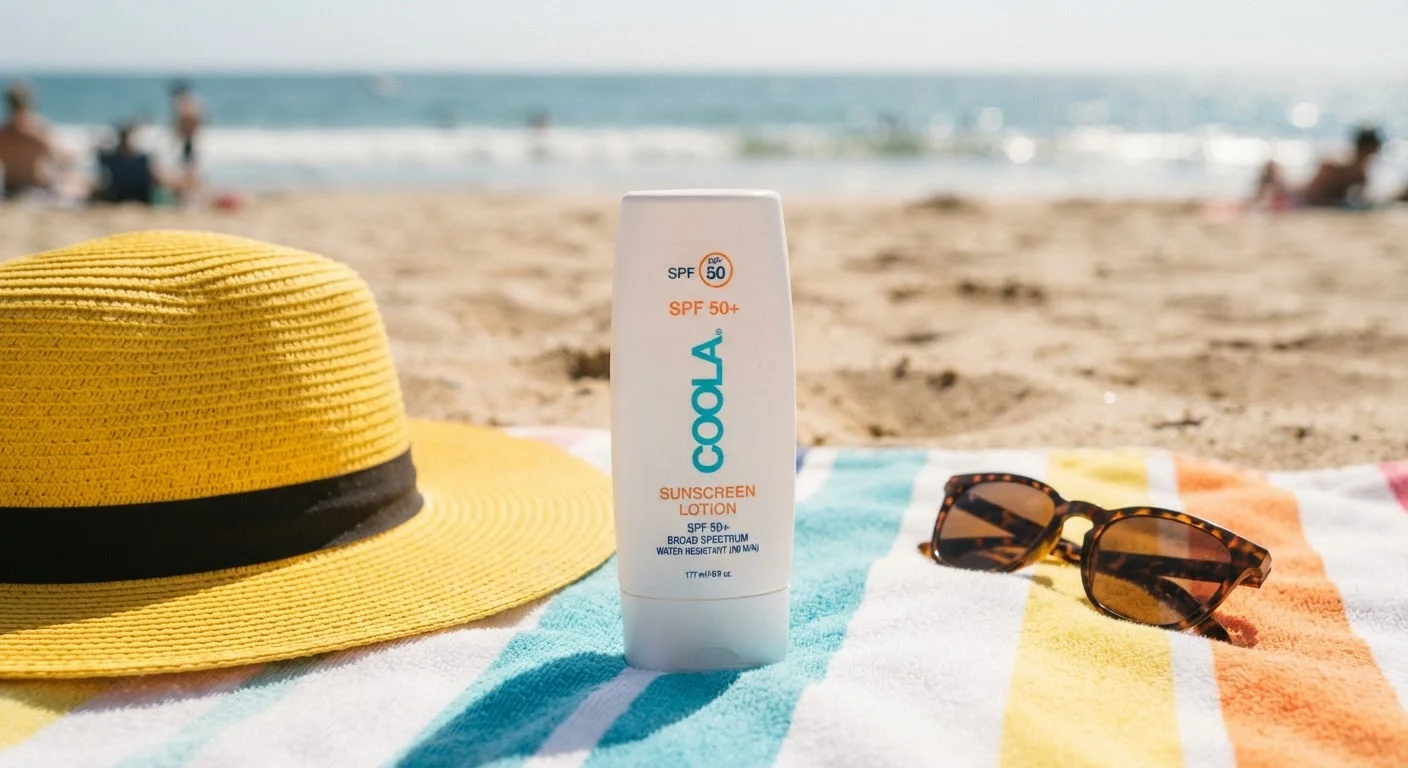
What SPF Actually Measures
The SPF number is the most prominent figure on any sunscreen, but it tells only part of the story. SPF measures how much UVB radiation — the type primarily responsible for sunburns — is blocked before it reaches your skin. An SPF 30 sunscreen filters out roughly 97% of UVB rays, while SPF 50 filters about 98%. SPF 100 reaches approximately 99%.
That progression matters: the higher you go, the smaller the incremental gain. What the SPF number does not tell you is anything about UVA protection. UVA rays penetrate deeper into the skin and are associated with photoaging and long-term skin damage. A high SPF without UVA coverage leaves a significant gap — which is exactly why other ratings exist.
UVA vs. UVB: A Quick Distinction
UVB rays are the primary cause of sunburn and play a significant role in skin cancer risk. UVA rays, which make up about 95% of UV radiation reaching Earth's surface, penetrate more deeply and are strongly linked to premature aging, fine lines, and hyperpigmentation. Both types contribute to skin cancer risk, which is why protection from each matters.
Broad Spectrum: The UVA Coverage Marker
In the United States, the FDA regulates the phrase "Broad Spectrum" on sunscreen packaging. It isn't a vague marketing term — it means the product has passed a standardized critical wavelength test confirming it provides meaningful protection against both UVA and UVB radiation.
If a U.S. sunscreen label reads "Broad Spectrum SPF 15" or higher, it can legally claim to help reduce the risk of skin cancer and early skin aging with regular use. Without that phrase, there's no guarantee the product addresses UVA at all. When shopping for sunscreen, pairing SPF with Broad Spectrum is the baseline combination to look for.
Curious about how label claims work across other categories? Our guide on reading a skincare label walks you through how to interpret ingredient lists and marketing language more broadly.
97%
UVB rays blocked by SPF 30
SPF 30 filters out approximately 97% of UVB radiation under standardized testing conditions, per FDA guidance.
2 mg/cm²
Amount used in SPF lab testing
This is the standardized application amount used to assign SPF ratings — roughly double what most people apply in practice.
95%
Share of UV radiation that is UVA
According to the Skin Cancer Foundation, UVA rays account for approximately 95% of the UV radiation that reaches Earth's surface.
The PA System: A More Detailed UVA Scale
If you've ever browsed Korean, Japanese, or other Asian beauty sunscreens, you've likely seen ratings like PA+++ or PA++++. The PA (Protection Grade of UVA) system was developed in Japan and provides a tiered measure of UVA protection that goes beyond what the U.S. Broad Spectrum designation specifies.
- PA+ — Some UVA protection
- PA++ — Moderate UVA protection
- PA+++ — High UVA protection
- PA++++ — Extremely high UVA protection
Each grade corresponds to a measured UVA protection factor (UVAPF) in lab testing. For everyday use in a sunny climate, many dermatologists suggest aiming for at least PA+++ alongside an SPF of 30 or higher. The PA system gives consumers more granular information than a simple pass/fail label — which is part of why it's gained global popularity.
The Gap Between the Label and Real-World Use
Here's the honest truth: even an excellent SPF rating performs only as well as your application habits allow. Research consistently finds that people apply roughly 25–50% of the recommended amount of sunscreen, which can cut effective protection dramatically. The lab conditions used to assign SPF numbers assume a generous, even application that most of us don't replicate.
A few habits make a real difference:
- Apply sunscreen as the last step of your morning skincare routine, before makeup.
- Don't forget ears, the back of the neck, and the tops of your feet.
- Reapply every two hours — set a phone reminder if it helps.
- Use water-resistant formulas when swimming or sweating, and reapply after toweling off.
Understanding ingredient lists can also help you choose a formula you'll actually enjoy wearing. Our hair product ingredient guide uses similar label-reading principles if you want to dig deeper into beauty product literacy.
Make Reapplication Part of Your Routine
Keep a travel-sized sunscreen in your bag or at your desk as a visual cue. Spray or stick formulas can make midday reapplication easier over makeup. Even on cloudy days, up to 80% of UV rays can reach your skin, so consistency matters year-round — not just at the beach.
This article is for general informational and educational purposes only and is not a substitute for professional medical or dermatological advice. Consult a qualified healthcare provider for guidance specific to your skin type, conditions, or concerns.
Frequently Asked Questions
Not quite. SPF 25 blocks about 96% of UVB rays, while SPF 50 blocks about 98%. The difference is real but smaller than the numbers imply. Higher SPF can offer a useful buffer, especially for people with lighter skin tones or extended outdoor time.
In the U.S., 'Broad Spectrum' is an FDA-regulated term meaning the sunscreen has passed a test proving it protects against both UVA and UVB radiation. It's not just marketing language — it carries a legal definition and a standardized testing requirement.
The PA (Protection Grade of UVA) system was developed in Japan and is widely used across Asian beauty markets. It ranges from PA+ (some UVA protection) to PA++++ (extremely high UVA protection). More plus signs mean greater UVA defense.
Dermatologists generally recommend reapplying every two hours when outdoors, and immediately after swimming or heavy sweating, regardless of the SPF number. No sunscreen is truly waterproof — only water-resistant for a labeled period of 40 or 80 minutes.
No — you still need the same amount regardless of SPF. Most people apply far too little, which significantly reduces real-world protection. A general guideline is about a teaspoon for the face and neck, and roughly an ounce for the full body.
SPF in moisturizers and foundations counts toward protection, but studies suggest most people don't apply enough to reach the labeled SPF. Using a dedicated sunscreen underneath is a more reliable approach, particularly for extended sun exposure.
The content on this site is for informational purposes only and is not a substitute for professional advice. Always consult a qualified professional for guidance specific to your situation.