

Why Your Scalp Is the Foundation of Hair Health
Hair doesn't grow in a vacuum — it grows from follicles embedded in your scalp. That makes the scalp the literal starting point of every strand on your head. When the scalp is balanced, follicles get what they need: steady blood flow, the right level of moisture, and a stable environment to cycle through growth phases. When something's off — too dry, too oily, inflamed, or irritated — that disruption can ripple outward into the hair itself.
The scalp is skin, and like all skin, it has its own microbiome: a community of microorganisms that help regulate oil production and protect against inflammation. When that balance is thrown off, common issues like dandruff, seborrheic dermatitis, or contact irritation can follow. These aren't just comfort issues — they can interfere with how follicles function over time.
It's worth noting that many hair concerns people attribute to the hair strand itself actually originate at the scalp. Dullness, breakage near the root, and even changes in texture can sometimes reflect what's happening beneath the surface. For a broader view of how internal factors show up in your hair, see signs your hair may be signaling a health change.
~100,000
Hair follicles on the average human scalp
Estimates from dermatological references suggest the average scalp contains roughly 80,000–120,000 follicles, each cycling independently through growth, rest, and shedding phases.
90%
Follicles in active growth phase at any time
Under normal conditions, approximately 85–90% of scalp follicles are in the anagen (active growth) phase at any given time, according to general dermatological consensus.
50–100
Hairs shed per day considered normal
Dermatologists commonly cite losing around 50–100 hairs daily as within the normal range for adults, since these hairs are in the telogen (shedding) phase of the growth cycle.
Common Scalp Conditions and How They Affect Growth
Not all scalp issues are created equal, but several common ones are worth understanding.
- Dryness and flaking: When the scalp lacks adequate moisture or produces insufficient sebum, it can become itchy and flaky. Chronic dryness can stress follicles and, in more severe cases, contribute to hair that appears thinner or more fragile at the root.
- Excess sebum production: An overly oily scalp can clog follicles and create an environment that promotes the overgrowth of certain fungi associated with dandruff. Regular, appropriate cleansing helps keep sebum levels manageable.
- Seborrheic dermatitis: This is a more pronounced inflammatory condition involving redness, greasy scales, and persistent itching. It's linked to an overgrowth of Malassezia yeast and may require medicated shampoos or a dermatologist's guidance.
- Contact irritation: Harsh ingredients in styling products, dyes, or even certain shampoos can trigger inflammation. Ingredient awareness matters — particularly for those with sensitive scalps.
The key takeaway is that inflammation is the common thread connecting scalp conditions to hair concerns. Reducing it — through appropriate cleansing, gentle products, and professional care when needed — is central to scalp health.
Gentle Is Usually Better
When it comes to scalp care, aggressive scrubbing, very hot water, and harsh sulfates can strip the scalp's natural oils and disrupt its microbiome. Lukewarm water and a gentle touch — even when addressing buildup — tend to produce better long-term results than intensive treatments applied too frequently.
Practical Habits That Support a Balanced Scalp
Good scalp care doesn't have to be complicated. A few consistent habits go a long way.
Cleanse appropriately for your scalp type. Cleansing removes buildup, excess oil, and dead skin cells that can impede follicle function. The right frequency varies by person. Building a hair care routine from scratch covers how to identify your starting point if you're unsure.
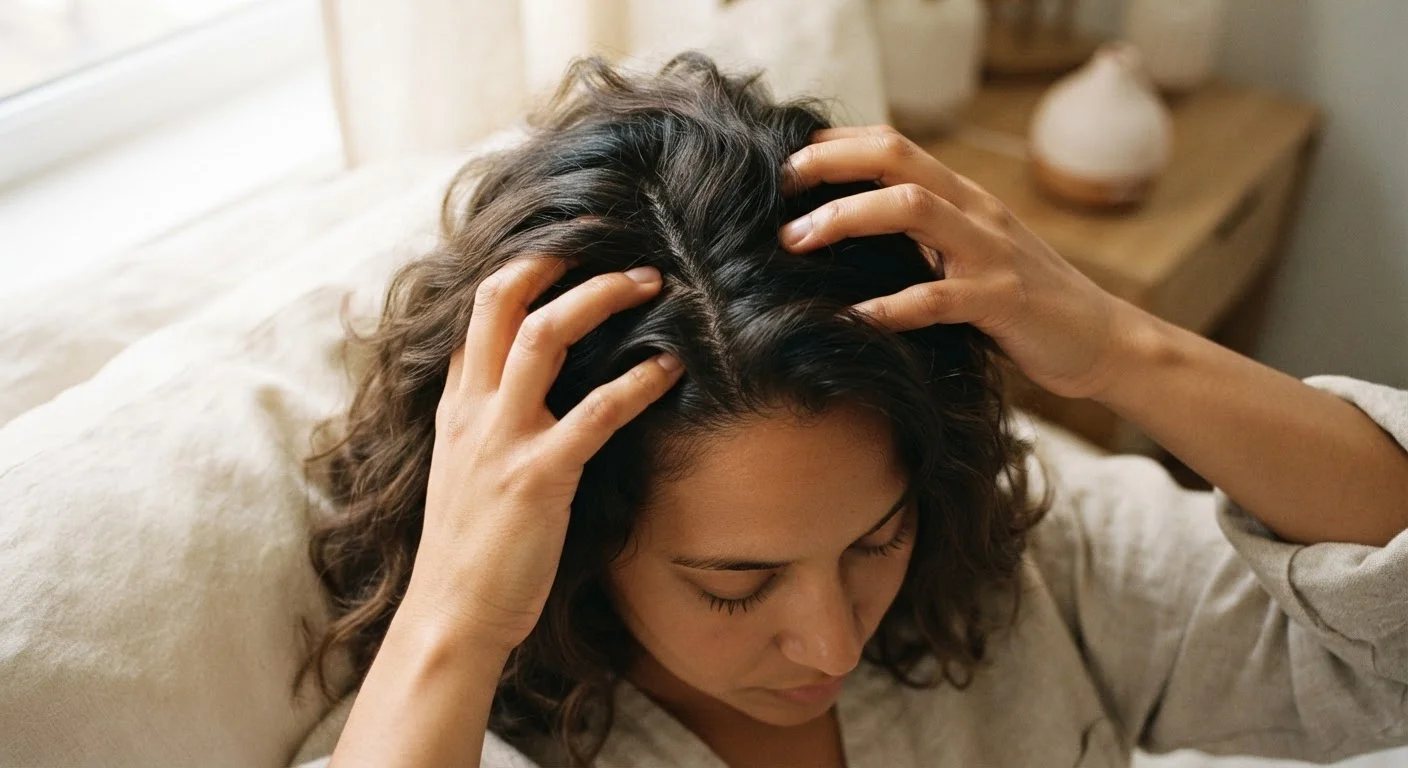
Incorporate scalp massage. Gentle manual massage — using fingertips in circular motions for a few minutes — may support blood circulation to follicles. It's a simple, low-effort addition to a shower routine.
Be mindful of product buildup. Heavy styling products can accumulate on the scalp and create a barrier over follicles. A clarifying cleanse every few weeks helps reset the scalp environment.
Consider your overall nutrition. The scalp, like all skin, is influenced by what you eat. Adequate protein, iron, zinc, and vitamins like biotin and D are associated with normal hair follicle function. For general guidance on eating well, the Nutrition & Diet hub is a helpful starting resource.
How products interact with your hair beyond the scalp also matters. Understanding hair porosity helps you choose products that work with your hair's structure rather than against it.
When to Talk to a Professional
Most everyday scalp imbalances respond well to simple care adjustments. But some situations call for professional evaluation. If you're experiencing significant or sudden hair shedding, persistent scalp pain or tenderness, visible patches of hair loss, or symptoms that don't improve with over-the-counter approaches, a dermatologist — particularly one specializing in hair and scalp conditions (a trichologist) — can provide a proper diagnosis.
It's also worth knowing that scalp and hair changes can occasionally reflect broader health shifts. Thyroid conditions, nutritional deficiencies, hormonal changes, and certain medications are among the factors that can influence both scalp and hair. This article is general educational information, not medical advice — always consult a qualified healthcare provider for personal concerns.
For a practical way to keep tabs on your routine between appointments, a weekly hair care audit can help you spot small patterns before they become bigger problems. And if you've ever wondered whether popular hair beliefs hold up to scrutiny, common hair care myths worth revisiting is a solid reality check.
This article is for general informational purposes only and is not medical advice. For concerns about scalp conditions, hair loss, or related health symptoms, please consult a qualified healthcare professional.
Frequently Asked Questions
A healthy scalp supports the normal hair growth cycle, which may reduce disruptions like excessive shedding or stalled growth. It doesn't necessarily accelerate growth beyond your genetic baseline, but it helps hair reach its full potential without unnecessary setbacks.
Wash frequency depends on your scalp type, activity level, and hair texture. Oilier scalps may benefit from more frequent cleansing, while drier scalps may do better washing less often. There's no universal rule — pay attention to how your scalp feels and adjust accordingly.
Dandruff itself doesn't directly cause hair loss, but severe or chronic scalp inflammation associated with conditions like seborrheic dermatitis can sometimes contribute to increased shedding. A dermatologist can help determine whether scalp symptoms are affecting hair retention.
Some small studies suggest regular scalp massage may increase hair thickness and improve blood flow to follicles, but the evidence is still limited. It's a low-risk, accessible habit that many people find beneficial as part of a broader scalp care routine.
Signs of an imbalanced scalp can include persistent itching, flaking, excessive oiliness or dryness, tenderness, or redness. If these symptoms are ongoing or worsening, it's worth consulting a dermatologist rather than relying on home remedies alone.
The content on this site is for informational purposes only and is not a substitute for professional advice. Always consult a qualified professional for guidance specific to your situation.