

The Mindset Shift That Changes Everything
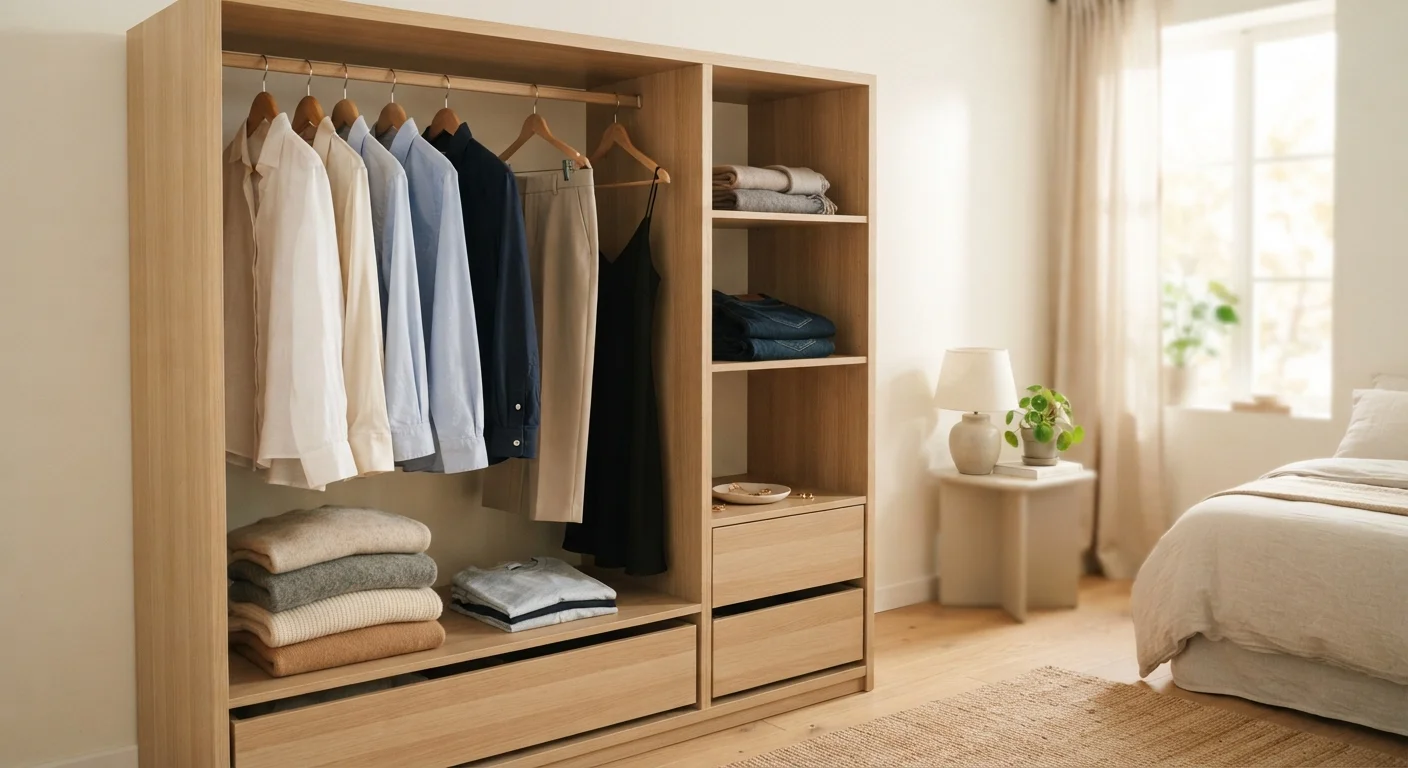
Dressing well has almost nothing to do with how much you spend and everything to do with how intentionally you choose. The real turning point isn't a shopping trip — it's deciding to treat your wardrobe as a system rather than a collection of impulse purchases.
That shift means asking different questions before you buy anything: Does this work with what I already own? Does it fit my actual life? Will I still wear it in two years? When those answers guide your choices, your closet starts working harder with fewer pieces in it. For a broader framework on building this foundation, see our complete everyday style guide.
Budget Dressing Is a Skill, Not a Limitation
Thinking carefully about clothing choices is a practiced skill that improves over time, not a sign of financial struggle. Many stylists and wardrobe experts note that constraints often produce more creative and coherent wardrobes than unlimited spending does. The principles here apply equally at every income level — the mindset is what shifts outcomes.
Core Principles for Dressing Well on Any Budget
These aren't rules about what to wear — they're principles for how to think about your wardrobe so it serves you better over time.
Prioritize fit above all other factors when evaluating any piece of clothing.
Fit is the single biggest visual differentiator between looking put-together and looking disheveled. A well-fitted basic in a neutral color will almost always read as more polished than a trendy item that doesn't sit right on your body. Tailoring even one or two key pieces can transform how your entire wardrobe looks.
Build around a consistent color palette rather than buying individual pieces in isolation.
When your wardrobe shares a cohesive color story — even a loose one — pieces mix and match naturally, which multiplies your actual outfit count without adding items. A scattered palette, by contrast, creates a closet full of things that don't work together.
Audit your existing wardrobe before making any new purchase.
Most people consistently reach for the same 20% of their wardrobe while the rest goes unnoticed. A deliberate audit often reveals pieces you've forgotten, gaps that actually need filling, and items that can be styled differently — all before a single dollar is spent.
Learn the basics of garment construction to identify quality at any price point.
Price doesn't reliably predict longevity, but construction often does. Dense, even stitching, adequate seam allowances, and stable fabric weights are indicators of durability regardless of the label inside. Developing this eye helps you spend more wisely when you do buy.
Dress with a consistent personal aesthetic rather than chasing trends.
Trends move fast and buying into each cycle is expensive. A defined personal aesthetic — even a simple one — means you know exactly what to look for when shopping and spend far less time second-guessing purchases. It also creates a more coherent, intentional look day to day.
Quick Actions You Can Take Today
You don't need a wardrobe overhaul to start dressing better. A few focused actions right now can shift how you feel about getting dressed — without spending a cent.
If you're working to build from a smaller starting point, this guide to building a wardrobe from almost nothing walks through priorities in a clear order. And when seasons shift, refreshing your wardrobe without starting over keeps the same principles in play.
When You Do Spend, Spend Selectively
Budget dressing isn't about never buying anything — it's about buying less and choosing more carefully. Understanding fabric basics helps you assess durability before you buy. Checking seam allowances, stitching density, and fabric weight gives you a realistic sense of how long something will actually last.
Secondhand shopping can stretch a modest budget significantly, though it comes with trade-offs worth understanding. A balanced look at secondhand shopping covers what to expect before making it your primary strategy.
Ask the Cost-Per-Wear Question
Before buying anything, estimate how many times you'll realistically wear it in the next year. Dividing the cost by that number gives you a rough cost-per-wear figure — a useful gut-check that often reframes whether something is actually a good value. A modestly priced item you wear 40 times beats an expensive one you wear twice.
When evaluating any new addition, lean toward pieces with genuine versatility. What makes a piece actually versatile — cut, color, weight, and texture — is more specific than most people realize. Pair selective buying with smart combination thinking, and getting more outfits out of fewer clothes becomes genuinely achievable.
This article is for general informational and educational purposes only. Style guidance is subjective and individual results will vary based on personal circumstances and preferences.
The content on this site is for informational purposes only and is not a substitute for professional advice. Always consult a qualified professional for guidance specific to your situation.